

Do you recognize this?
A colleague at the coffee machine says: “Well, your report was… very thorough.”
Or during a meeting: “Nice idea, but we don’t really have time for that, do we?”
It seems small, maybe even meant as a joke. But somehow it sticks. Like poison.
Within teams, these little stings, what we call poisons, slowly eat away at energy. No big conflict, no shouting match, but a creeping process where trust, creativity, and collaboration quietly erode.
What are poisons?
Poisons are subtle remarks, digs, or signals that hit a nerve without being openly addressed.
-
They often stem from frustration or insecurity.
-
They are rarely intended to cause harm, yet they still do damage.
-
They live in the undercurrent and shape relationships inside the team.
Examples:
-
Cynical remarks (“Here we go again…”).
-
Sarcasm that cuts too deep.
-
Non-verbal signals like sighs, eye rolls, or exaggerated smiles.
Why are poisons so damaging?
Poisons in teams are dangerous because they:
-
Drain energy. Team members become cautious, holding back contributions.
-
Kill creativity. People share fewer ideas out of fear of a sting.
-
Undermine trust. Collaboration becomes shallow: “If I stay quiet, I won’t get stung.”
-
Increase costs. Energy loss translates into absenteeism, turnover, and lower productivity.
It’s not the big explosions, but the small stings that create structural energy leaks.
The Teamenergy perspective: six energies and poisons
In the Teamenergie model, we distinguish six energies: passion, stress, comfort, resignation, discomfort, and space. Poisons can disrupt any of them and push teams into states that drain energy:
-
Passion → Stress
An enthusiastic contribution gets undercut by a cynical sting, and passion turns into tension. -
Stress → Burnout
When stress is constantly amplified by stings, overload and exhaustion follow. -
Comfort → Resignation
Small digs sap the drive to move forward, and comfort turns into stagnation. -
Resignation → Cynicism
In resignation, poisons act like fuel: people disengage even more. -
Discomfort → Silence
Instead of learning from tension, people withdraw. -
Space → Distrust
What once felt open becomes cautious and guarded.
Poisons don’t just sting — they quietly shift teams into energies that cost far more than they yield.
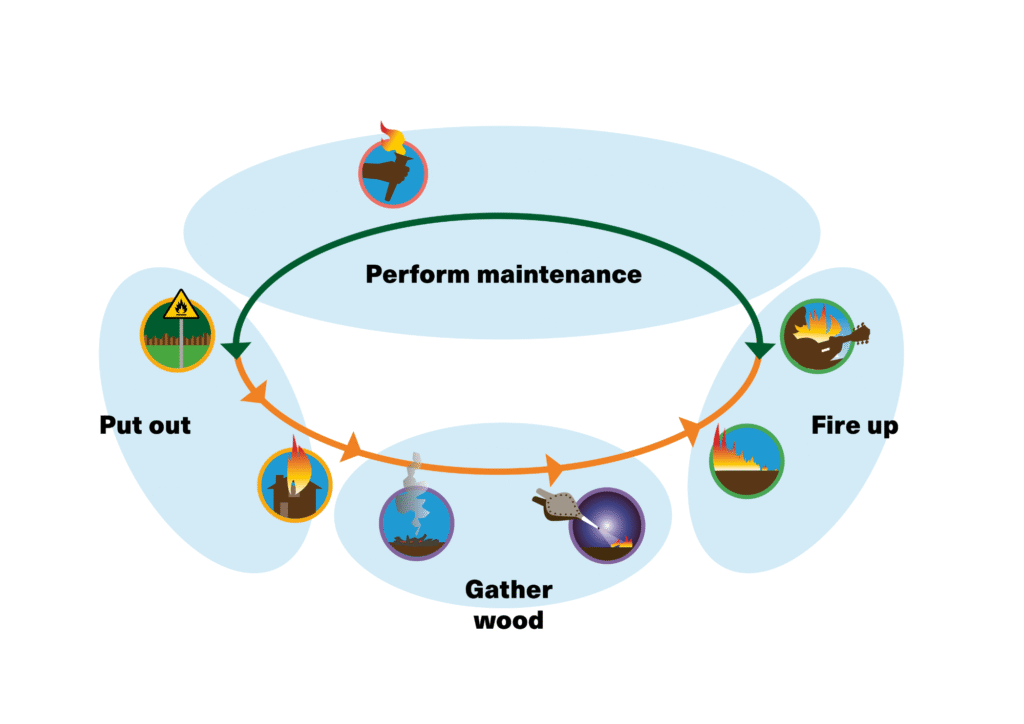
The intervention model: extinguish, maintain, stoke, gather
The Teamenergy intervention model shows how leaders and teams can act when poisons affect dynamics:
-
Extinguish: step in quickly when stings flare into open conflict.
-
Maintain: use regular check-ins and appreciative conversations to prevent poisons from piling up.
-
Stoke: name the tension and create learning moments from discomfort instead of letting it fester.
-
Gather wood: build safe moments where new energy can emerge, free from cynicism or sarcasm.
A real-life example: from poison to progress
A scale-up team of 15 people was known for its humor and quick jokes. But underneath, frustration brewed about workload and unclear priorities.
During a team session, the “jokes” surfaced: colleagues admitted they felt hurt by sarcastic remarks and had stopped sharing new ideas.
By naming the pattern of poisons as an energy leak, space opened up. The team agreed: humor is welcome, but not at each other’s expense. Within weeks, the manager noticed more ideas, ownership, and energy returning.
What can leaders or HR do?
1. Make poisons discussable
-
Ask in a meeting: “What small things quietly hold us back?”
-
Give room for examples without judgment.
2. Name the effect, not the intent
-
Avoid debates about whether someone “meant it that way.”
-
Focus on how it lands and what it does to energy.
3. Build psychological safety
-
Ensure people can make mistakes and share ideas without fear.
-
Allow discomfort so stings don’t go underground.
4. Use check-ins and check-outs
-
Start with: “How are you arriving today?”
-
End with: “What are you taking away?”
5. Invest in maintenance
-
Team energy is like a garden: prune, water, and feed it regularly.
Conclusion: small stings, big impact
Poisons may look small, but they can slowly intoxicate teams. They undermine energy, trust, and performance. By making them visible and addressing them consciously, you change the dynamic.
Team development isn’t just about major transformations — it’s about spotting the subtle signals where energy leaks away.
Reflection question for your team:
What “poisons” creep into your collaboration — and how can you name and address them today?
